 caratoz.com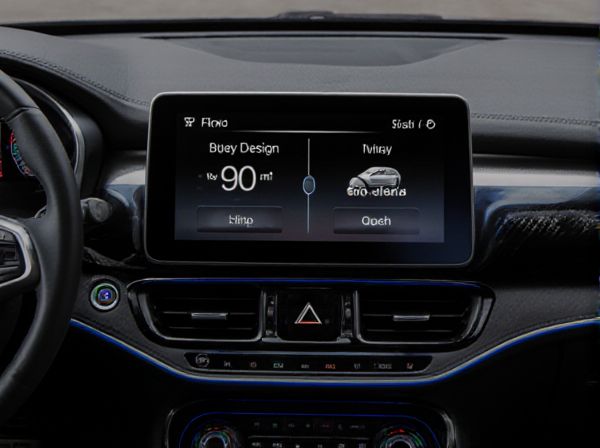
Photo illustration: Floating Screen Design vs Embedded Screen Design
Floating screen design offers a sleek, modern look by visually separating the display from the device frame, enhancing aesthetics and user focus. Embedded screen design integrates the display seamlessly within the device body, providing durability and protection from damage without compromising functionality. Your choice depends on whether you prioritize style and visibility or robustness and space efficiency in your device.
Table of Comparison
| Feature | Floating Screen Design | Embedded Screen Design |
|---|---|---|
| Installation | Mounted above the dashboard surface | Integrated flush within the dashboard |
| Visibility | Elevated for better line of sight | Blends with dashboard, may reduce visibility angles |
| Design Aesthetics | Modern and eye-catching | Sleek and seamless |
| Screen Protection | More exposed to damage and glare | Protected by dashboard structure |
| Ease of Maintenance | Easier to access and replace | Requires dashboard disassembly |
| User Experience | Enhanced interaction with optimal positioning | Integrated experience but limited position adjustment |
| Cost | Potentially higher due to complex mounting | Generally lower, simpler integration |
Introduction: Understanding Screen Design Trends
Floating screen design features displays that appear to hover above the device body, creating a modern, minimalist aesthetic often found in premium smartphones and smartwatches. Embedded screen design integrates the display seamlessly within the device's frame, enhancing durability and providing a streamlined look common in laptops and tablets. Both designs impact user experience, device thickness, and repairability, influencing choice based on functionality and visual appeal.
What is Floating Screen Design?
Floating screen design features a display panel that appears to hover above the device body without visible bezels or borders, creating a sleek, modern aesthetic. This design enhances user experience by providing immersive visuals and maximizing screen real estate, commonly seen in smartphones and tablets. Compared to embedded screen design, where the screen is flush with the device frame, floating screens offer a more futuristic, standout appearance.
What is Embedded Screen Design?
Embedded screen design integrates the display directly into the device's body, creating a seamless and flush surface that enhances durability and aesthetic appeal. This design minimizes gaps and edges, reducing dust accumulation and improving device protection against impacts and liquids. Popular in smartphones and tablets, embedded screens support advanced touch sensitivity and contribute to slimmer form factors for modern electronics.
Visual Appeal: Comparing Aesthetic Impact
Floating screen design creates a striking visual impact with its sleek, edge-to-edge display that appears to hover above the device frame, enhancing modern aesthetics and a sense of depth. Embedded screen design offers a more traditional, integrated look where the screen is flush with the device body, providing a seamless but less dynamic visual experience. The floating design's emphasis on minimal bezels and separation from the chassis makes it especially appealing for premium devices aiming for futuristic styling.
User Experience: Interaction and Accessibility
Floating screen design enhances user experience by allowing flexible positioning and easy multitasking, promoting better interaction through drag-and-drop functionality and customizable layouts. Embedded screen design offers a seamless, integrated interface that supports consistent navigation and accessibility by maintaining fixed screen elements within the application. Both designs prioritize user engagement, with floating screens excelling in adaptability and embedded screens optimizing direct access to core features.
Performance and Functionality Differences
Floating screen design offers enhanced performance with better heat dissipation and easier repairability, supporting higher processing power and smoother multitasking. Embedded screen design integrates the display directly into the device casing, resulting in more compact builds but often limiting cooling efficiency and upgrade options. Functionality-wise, floating screens provide greater flexibility for customization and component access, whereas embedded designs prioritize aesthetic seamlessness at the cost of potential performance throttling.
Durability and Maintenance Considerations
Floating screen design offers enhanced durability due to better ventilation and reduced heat buildup, minimizing the risk of component damage over time. Embedded screen design, though sleek and space-efficient, can pose maintenance challenges as internal components are less accessible, increasing repair time and costs. Choosing floating screens facilitates easier cleaning and component replacement, while embedded designs require more careful handling to avoid damage during maintenance.
Cost Implications: Manufacturing and Repairs
Floating screen design generally incurs higher manufacturing costs due to the complexity of its assembly and the need for additional materials like adhesive layers and protective frames. Embedded screen design tends to reduce repair expenses because the screen is integrated into the device's chassis, allowing for easier replacement and fewer risks of damage to surrounding components. Overall, floating screens may lead to increased long-term maintenance costs, while embedded screens optimize cost efficiency in production and repairs.
Market Applications and Popularity Trends
Floating screen design dominates premium smartphones and gaming laptops, favored for its sleek, modern aesthetic and enhanced portability that appeals to consumers valuing style and innovation. Embedded screen design remains prevalent in industrial equipment and automotive dashboards due to its robust integration, durability, and space efficiency essential for functional market applications. Market trends indicate rising consumer preference for floating screens in high-end electronics, while embedded screens maintain steady demand in specialized sectors requiring reliable, compact interfaces.
Choosing the Right Design for Your Needs
Floating screen design offers a modern aesthetic with a bezel-free look, enhancing visual appeal and ease of cleaning, making it ideal for contemporary spaces where style matters. Embedded screen design integrates seamlessly into furniture or walls, providing a space-saving solution and greater durability against impacts, perfect for high-traffic areas or minimalist environments. Selecting the right design depends on prioritizing either sleek aesthetics and ease of maintenance with floating screens or maximizing space efficiency and robust protection with embedded screens.