 caratoz.com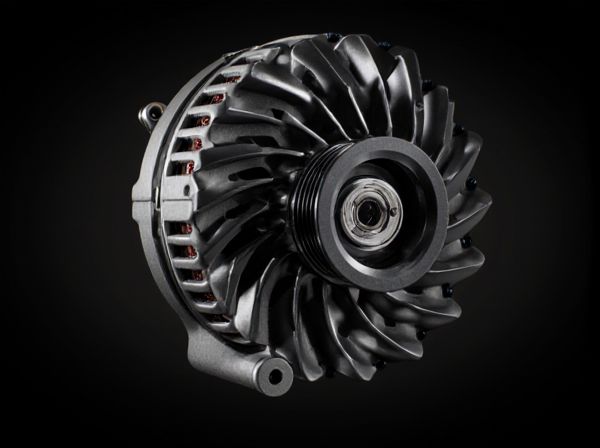
Photo illustration: Brushless vs Brushed Design
Brushless motors deliver higher efficiency and longer lifespan due to the absence of brushes, reducing wear and maintenance needs. Brushed designs are typically more affordable and simpler in construction but suffer from friction and heat generation that can limit performance over time. Your choice depends on whether you prioritize durability and efficiency or initial cost and simplicity.
Table of Comparison
| Feature | Brushless Alternator | Brushed Alternator |
|---|---|---|
| Design | No brushes, uses electronic components | Uses carbon brushes and slip rings |
| Maintenance | Low maintenance, no brush wear | Requires regular brush replacement |
| Durability | Longer lifespan, less mechanical wear | Shorter lifespan due to brush friction |
| Efficiency | Higher efficiency, reduced electrical losses | Lower efficiency, brush contact resistance |
| Noise | Quieter operation, minimal friction | Noisier due to brush friction |
| Cost | Higher initial cost | Lower initial cost |
| Applications | Modern vehicles, performance cars | Older models, budget vehicles |
Introduction to Brushless and Brushed Motors
Brushless motors utilize electronic controllers to switch current in the motor windings, providing higher efficiency, reduced maintenance, and longer lifespan compared to brushed motors. Brushed motors rely on mechanical brushes to transfer current to the rotor, resulting in increased wear and lower efficiency due to friction and electrical losses. The design difference significantly impacts performance metrics such as torque delivery, speed control, and durability in various applications.
Core Differences Between Brushless and Brushed Designs
Brushless motors utilize electronic commutation to control motor operation, eliminating the need for physical brushes, which reduces friction and wear, resulting in higher efficiency and longer lifespan. Brushed motors rely on carbon brushes to transfer current to the rotor, causing mechanical friction, maintenance requirements, and lower efficiency compared to brushless designs. The core difference lies in the commutation method, where brushless motors use sensors and electronic controllers, while brushed motors depend on mechanical brushes and a commutator.
How Brushed Motors Work
Brushed motors operate by using carbon brushes to transfer electrical current to the motor's rotating armature, creating a magnetic field that interacts with the stator magnets to produce motion. The brushes physically contact the commutator, which switches the current direction and enables continuous rotation. This mechanical contact causes wear over time, leading to reduced efficiency and maintenance needs compared to brushless designs.
How Brushless Motors Work
Brushless motors operate using electronic controllers that sequentially energize coils to create a rotating magnetic field, which interacts with permanent magnets on the rotor for smooth, efficient motion without physical brushes. This design eliminates friction and wear caused by brushes, resulting in higher efficiency, longer lifespan, and reduced maintenance compared to brushed motors. Brushless motors offer precise speed and torque control, making them ideal for applications requiring reliability and performance.
Efficiency Comparison: Brushless vs. Brushed
Brushless motors offer higher efficiency compared to brushed motors due to their electronic commutation, which reduces energy loss from friction and voltage drop. The absence of brushes minimizes mechanical wear, leading to longer operational life and consistent performance under load. This efficiency advantage results in better power-to-weight ratios and lower heat generation, making brushless designs ideal for applications requiring sustained high performance.
Maintenance and Lifespan Factors
Brushless motors require less maintenance due to the absence of brushes, which eliminates wear and tear-related issues common in brushed motors, extending operational lifespan significantly. The reduced friction in brushless designs leads to lower heat generation and improved efficiency, further enhancing durability and reducing downtime. Brushed motors typically need regular brush replacements and commutator cleaning, resulting in more frequent maintenance and shorter lifespans compared to brushless counterparts.
Performance and Power Output
Brushless motors provide higher efficiency and superior power output compared to brushed motors due to their reduced friction and heat generation, resulting in enhanced performance and longer lifespan. The electronic commutation system in brushless motors allows for precise control of speed and torque, making them ideal for applications requiring consistent power and high reliability. In contrast, brushed motors, with their mechanical commutators and brushes, suffer from energy loss and wear, limiting their overall performance and efficiency.
Cost Analysis: Initial Investment and Long-term Value
Brushless motors typically demand a higher initial investment due to advanced technology and electronics but offer superior efficiency and durability, reducing maintenance costs over time. Brushed motors have a lower upfront cost but incur frequent replacements and maintenance expenses due to brush wear and reduced lifespan. Evaluating total cost of ownership reveals brushless designs provide greater long-term value despite higher upfront expenditures.
Best Use Cases for Each Motor Type
Brushless motors excel in applications requiring high efficiency, longevity, and precise control, such as drones, electric vehicles, and robotics; they offer reduced maintenance due to the absence of brushes. Brushed motors remain ideal for cost-sensitive projects and simple mechanisms like household appliances and toys, where lower upfront cost and straightforward control are priorities. Selecting the right motor type depends on balancing performance requirements with budget constraints, emphasizing brushless for high-demand uses and brushed for basic, less intensive applications.
Choosing the Right Motor for Your Application
Brushless motors offer higher efficiency, longer lifespan, and better performance in high-speed applications compared to brushed motors, which have simpler design and lower initial cost. Selecting the right motor depends on factors such as torque requirements, maintenance capacity, and operational environment. For precision control and durability, brushless motors are ideal, while brushed motors suit budget-conscious applications with moderate demands.