 caratoz.com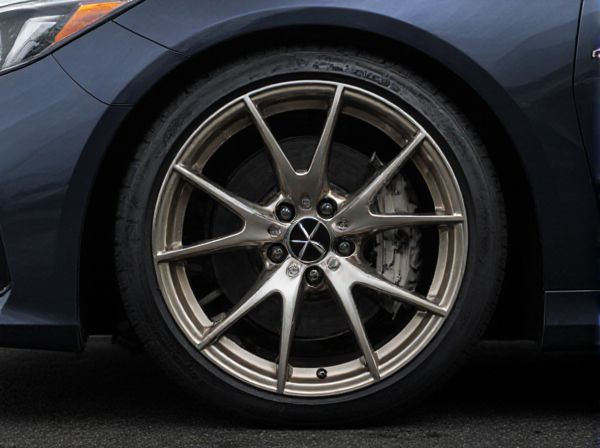
Photo illustration: JDM vs Euro Design
JDM design focuses on sleek, aggressive styling with functional aerodynamics and performance-oriented details, emphasizing driver experience and street culture. Euro design prioritizes sophisticated elegance, clean lines, and premium materials, blending luxury with practical engineering for everyday comfort. Your choice between JDM and Euro design depends on whether you value raw sportiness or refined luxury in automotive aesthetics.
Table of Comparison
| Feature | JDM Wheels | Euro Wheels |
|---|---|---|
| Design Style | Sporty, aggressive accents | Elegant, minimalist aesthetics |
| Material | Lightweight alloys optimized for performance | Durable alloys with premium finishes |
| Size Range | Typically 15" to 18" | Commonly 17" to 20" |
| Finish | Glossy, vibrant colors | Matte, metallic, or subtle shades |
| Performance Focus | Optimized for handling and speed | Balanced for comfort and stability |
| Popular Brands | Enkei, Work, Volk Racing | BBS, OZ Racing, Ronal |
| Weight | Lightweight for enhanced agility | Heavier, emphasizing durability |
| Price Range | Moderate to high depending on model | High-end, premium pricing |
Introduction to JDM and Euro Car Design
JDM (Japanese Domestic Market) car design emphasizes compact dimensions, efficient use of interior space, and a focus on reliable performance tuned for local driving conditions, often featuring aggressive styling and advanced technology tailored to Japanese regulations. Euro car design prioritizes sleek, aerodynamic shapes, refined driving dynamics, and premium materials, reflecting a balance of luxury, safety, and efficiency suited for diverse European road environments. Both JDM and Euro designs reflect their markets' cultural preferences and regulatory environments, influencing engineering choices, aesthetics, and vehicle functionality.
Historical Origins and Evolution
JDM (Japanese Domestic Market) design originated in post-war Japan, emphasizing compact, efficient vehicles tailored to local regulations and consumer preferences, while Euro design evolved from the diverse automotive traditions across Europe, focusing on luxury, performance, and advanced engineering. The 1970s and 1980s marked significant growth for JDM with iconic models like the Nissan Skyline and Toyota AE86, renowned for their lightweight and performance-oriented characteristics. European design evolved with brands like BMW, Mercedes-Benz, and Ferrari pushing innovations in aerodynamics, safety, and luxury, shaping a design philosophy centered on sophistication and driving dynamics.
Key Design Philosophies
JDM design emphasizes compact dimensions, aggressive styling, and a driver-focused cockpit to enhance performance and practicality in urban environments. Euro design prioritizes balanced aesthetics, refined craftsmanship, and advanced technology integration, reflecting a blend of luxury and dynamic driving experience. Both philosophies value engineering precision but differ in cultural influences shaping vehicle ergonomics and visual appeal.
Exterior Styling: JDM vs Euro
JDM exterior styling emphasizes aggressive, sporty lines with bold aerodynamic features such as large spoilers, sharp body kits, and prominent hood scoops, reflecting Japan's tuning culture. Euro designs favor sleek, minimalist aesthetics with refined curves and subtle details, prioritizing elegance and aerodynamic efficiency found in brands like Audi and BMW. Both styles embody distinct automotive philosophies: JDM highlights a performance-focused, eye-catching appearance, while Euro design stresses sophisticated, timeless appeal.
Interior Layout and Features Comparison
JDM interiors emphasize driver-focused layouts with compact, sporty cockpits and minimalist controls, often featuring digital instrument clusters and performance-oriented displays. Euro designs prioritize ergonomic comfort, spacious layouts, and premium materials, integrating advanced infotainment systems with intuitive touchscreens and ambient lighting. Both styles incorporate cutting-edge safety features, but Euro models tend to focus more on luxury and technological sophistication, while JDM interiors highlight functionality and driver engagement.
Performance Engineering Approaches
JDM performance engineering emphasizes lightweight materials, high-revving engines, and precision tuning to maximize power-to-weight ratios and responsive handling. Euro design prioritizes advanced turbocharging, sophisticated suspension systems, and balanced chassis dynamics for superior stability and driving comfort. Both approaches integrate cutting-edge technology, with JDM favoring agile performance in tight conditions and Euro focusing on controlled power delivery and endurance.
Reliability and Maintenance Considerations
JDM (Japanese Domestic Market) vehicles are often praised for their high reliability due to stringent manufacturing standards and extensive use of durable components, resulting in lower long-term maintenance costs. Euro design emphasizes advanced engineering and performance, but some models may require more specialized maintenance and premium parts, which can increase upkeep expenses. Understanding the differences in parts availability and service expertise is crucial when considering reliability and maintenance between JDM and Euro vehicles.
Cultural Influence on Car Design
Japanese Domestic Market (JDM) car design emphasizes compact, efficient, and technologically innovative vehicles reflecting Japan's urban density and technological culture. European car design, particularly from Germany, Italy, and France, prioritizes elegance, performance, and craftsmanship, influenced by a rich automotive heritage and diverse road conditions. Cultural values such as Japan's focus on minimalism and reliability contrast with Europe's emphasis on style and driving dynamics, shaping distinct automotive identities.
Popular Models and Iconic Examples
JDM design features iconic models like the Nissan Skyline GT-R, Toyota Supra, and Honda NSX, emphasizing aggressive styling, performance tuning, and a compact, aerodynamic aesthetic. Euro design highlights popular cars such as the BMW M3, Audi RS5, and Mercedes-AMG C63, known for luxury finishes, balanced proportions, and advanced engineering focused on driving precision. Both styles influence global automotive trends, with JDM often celebrated for its street racing heritage and Euro design acclaimed for its blend of performance and refinement.
Future Trends in JDM and Euro Design
Future trends in JDM (Japanese Domestic Market) design emphasize sleek minimalism, advanced aerodynamics, and integration of AI-driven driver assistance systems to enhance performance and safety. Euro design continues to prioritize luxury craftsmanship, eco-friendly materials, and cutting-edge electric powertrain innovations, focusing heavily on sustainability and user-centric technology. Both styles are converging towards smart connectivity and autonomous driving features, driven by global demand for efficiency and environmental responsibility.